
Prevention · · 7 min read
Gout: symptoms, causes, attack relief and prevention
Gout is a form of inflammatory arthritis. It happens when urate builds up in the body and forms needle-shaped crystals in and around a joint, causing sudden, severe pain, swelling and redness, often in the big toe. A flare usually settles in a week or two, and treatment started early works faster. Preventing the next flare usually takes more than a change of diet, so plan a visit with your primary care provider.
In short
- Gout is caused by urate crystals in a joint. It is a disease of how the body handles uric acid, not simply the result of overeating.
- A typical first flare is sudden, severe pain that often starts at night, most often in the big toe, with a hot, red, swollen joint.
- Treatment works best when it starts early in a flare, so ask your provider for a plan you can follow at the first sign.
- Diet and alcohol matter, but food alone often does not keep uric acid low enough to stop flares.
- If flares keep coming, a daily uric acid-lowering medicine is usually the way to prevent them. It works only if you keep taking it.
What gout is
Uric acid is a waste product made when the body breaks down purines, which occur in body tissues and in many foods. Normally the kidneys filter it out in urine. When the body makes too much or removes too little, urate can build up and form needle-shaped crystals in and around joints. The immune system reacts to those crystals with sharp inflammation, and that reaction is a gout flare.
Gout often moves through stages: high urate levels with no symptoms, then flares, then quiet periods between flares. Without treatment, flares can become more frequent and longer, and hard lumps of crystals called tophi can form under the skin and around joints, which may damage joints over time.
What a flare looks like
- Sudden, intense pain, often starting at night, usually in one joint.
- The big toe is the classic spot, but gout can also hit other toes, the foot, ankle, knee, hand, wrist or elbow.
- The joint is swollen, warm and red. Redness can be harder to see on brown or black skin.
- Even the weight of a bedsheet can feel unbearable.
- Between flares there are typically no symptoms at all.
- Untreated, a flare usually settles over one to two weeks.
Several things can set off a flare: heavy drinking, a very large meal, dehydration, an injury to the joint, an illness with fever, surgery, or some medicines. Many people can name the trigger only afterward.
Causes and risk factors
- High urate levels in the blood, which can run in families.
- Being male, older age, and, for women, the years after menopause.
- Alcohol and sugar-sweetened drinks.
- A diet high in purine-rich foods, usually animal sources such as red meat, organ meats and some seafood.
- Overweight or obesity, metabolic syndrome, high blood pressure, diabetes and chronic kidney disease.
- Some medicines, including diuretics (water pills) and low-dose aspirin.
Gout is also linked with kidney stones and heart disease. A gout diagnosis is a good reason to ask your provider to review blood pressure, blood sugar, cholesterol and kidney function.
What to do during a flare
- Start treatment earlyIf a provider has already prescribed medicine for flares, take it as soon as you notice symptoms, as directed. Early treatment shortens the flare.
- Rest and raise the jointKeep weight off the joint and prop the limb up. At night, keep bedclothes from pressing on it.
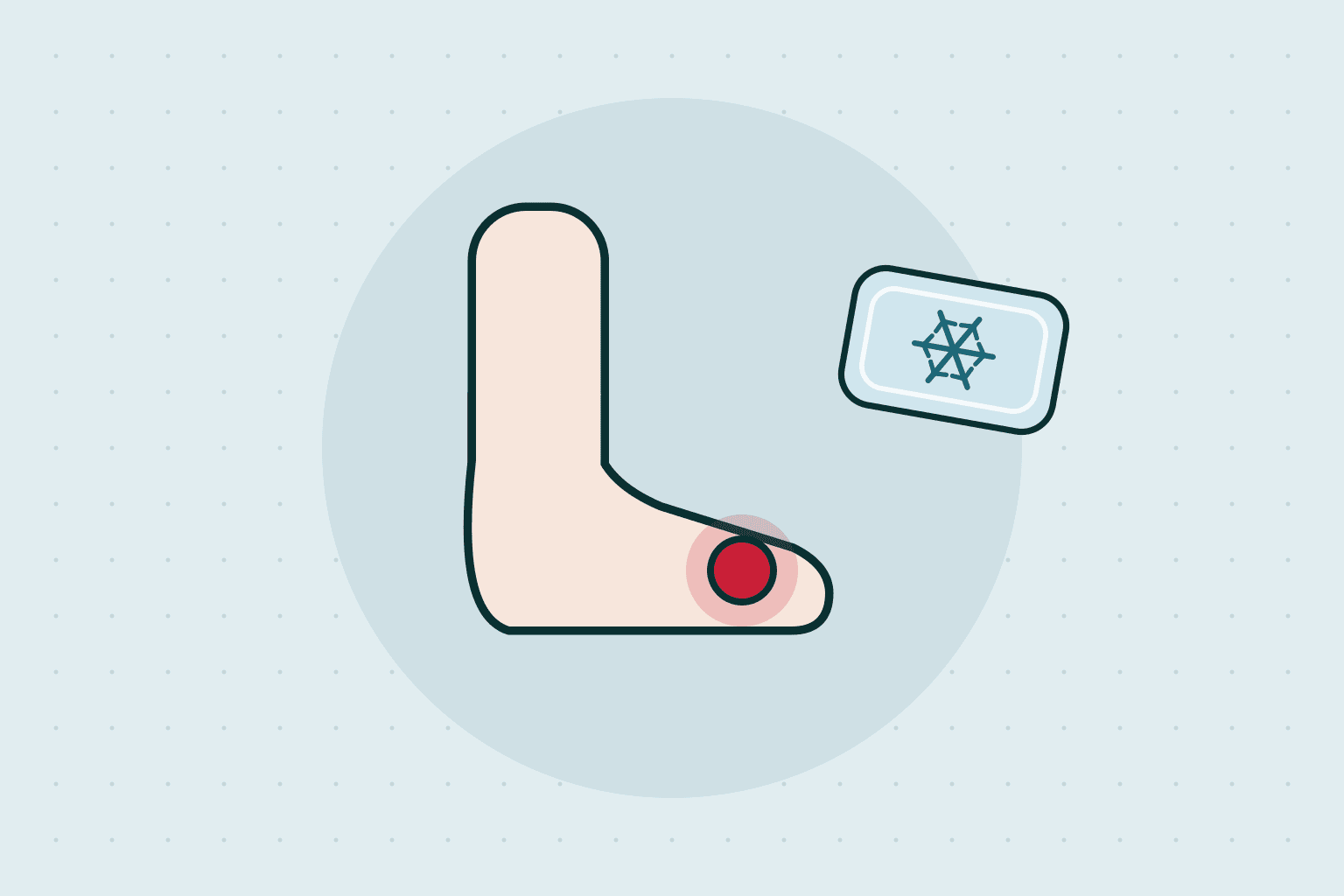
- Cool itHold an ice pack or a bag of frozen vegetables wrapped in a towel on the joint for up to 20 minutes at a time. Never put ice directly on the skin.
- Drink waterStay hydrated, unless your provider has told you to limit fluids because of a heart or kidney condition.
- Keep taking long-term medicineIf you already take a uric acid-lowering medicine, do not stop it because of a flare. Do not start or change it on your own either. Ask your provider.
Preventing the next flare
Flares are the visible part of the problem. The underlying one is urate that stays too high, so the crystals are still there between flares. If flares are frequent, if urate levels are high, or if you have tophi, kidney stones or joint damage, providers usually prescribe a medicine that lowers uric acid. It is taken regularly, even when you feel fine, and often for years.
A common reason treatment fails is stopping it. Ask your provider what to expect in the first months and what to do if a flare happens while you are on treatment, so that one bad week does not end a plan that is working.
Lifestyle helps alongside medicine. Aim for a steady, healthy weight, but avoid crash diets. Exercise regularly without putting heavy pressure on sore joints, and quit smoking if you smoke.
Food and drink that matter
- Limit alcohol, and have alcohol-free days each week.
- Cut back on sugar-sweetened drinks and sugary snacks.
- Eat smaller portions of red meat, organ meats and some seafood.
- Build the rest of your meals around a generally healthy diet, and stay hydrated.
- Ask your provider whether a vitamin C supplement makes sense for you.
Be realistic about what diet can do. It supports treatment and removes some triggers, but when flares keep returning it rarely replaces medicine. Having a flare after cleaning up your diet is not a sign that you failed.
When to see a doctor, and red flags
See your primary care provider after a first flare to confirm the diagnosis and talk about treatment. Make an appointment too if flares repeat, if you notice firm lumps under the skin on fingers, elbows or ears, if you have had kidney stones, or if your usual treatment is not working.
Get urgent care the same day, and call 911 if you feel very unwell, when a hot, swollen joint comes with a high temperature, chills or shivering, nausea or being unable to eat, or when the pain is quickly getting worse. These signs can point to a joint infection, which needs different and immediate treatment.
How gout is confirmed, and treatment in general terms
Your provider will take a history and examine the joint. Tests can include a uric acid blood test, and, when the diagnosis is unclear, analysis of fluid drawn from the joint to look for crystals under a microscope, or an ultrasound or special CT scan.
Treatment falls into two groups. For a flare, providers use anti-inflammatory medicines such as NSAIDs, colchicine or corticosteroids, chosen according to your kidneys, heart and other conditions, always as prescribed by a doctor. To prevent flares and protect joints and kidneys, providers use medicines that lower uric acid in the blood and review any medicines that may be raising it.
Questions worth taking to the visit: Is the diagnosis confirmed? Do I need long-term uric acid-lowering treatment? What should I take at the first sign of the next flare? Could any of my current medicines be raising my uric acid?
Questions and answers
Can diet alone control gout?
Usually not for people with repeated flares. Food and alcohol choices help, but a medicine that lowers uric acid is what most often keeps crystals from forming and flares from returning.
Why does my flare keep coming back even though I eat carefully?
Some people make too much urate and others clear too little, and that is not fully under the control of your plate. Ask your provider whether long-term treatment is right for you.
Is gout only a men's disease?
No. It is more common in men, but risk in women rises after menopause.
Is gout the same as a joint infection?
No, but they can look alike. A hot, swollen joint with fever or chills needs urgent assessment, because an infected joint is treated very differently.
Should I rest the joint completely?
During a flare, avoid putting pressure on the joint and rest it. Between flares, regular exercise is recommended, as long as it does not put heavy pressure on your joints.
Sources
Sources checked on 29 October 2026.