
Symptoms · · 7 min read
Ear pain: causes, home care and when to see a doctor
Ear pain is often caused by an ear infection, but it has many possible causes, including earwax, a problem with the teeth, jaw or throat, or something stuck in the ear. Most earaches get better on their own, and over-the-counter pain relief and a warm cloth can ease the pain. Keep water out of the ear and do not put anything inside it. See a clinician if the pain lasts more than 2 to 3 days or you notice the warning signs below.
In short
- Ear pain is often caused by an ear infection, but other causes include earwax, a stuck object, a perforated eardrum, toothache, a sore throat and a cold or flu.
- The NHS advises not to try to diagnose the cause yourself, and says most earaches get better on their own.
- Over-the-counter pain relief and a warm cloth can ease pain. Do not put anything in the ear, and keep water out.
- Mild middle ear infections are often watched for 2 to 3 days before deciding on antibiotics. Severe infections need them right away.
- Swelling around the ear, fluid draining from it, or a change in hearing are reasons to be seen quickly.
Common causes
- Ear infection: the NHS says earache is often caused by one, and a middle ear infection often follows a cold or sore throat.
- Earwax build-up or an object stuck in the ear.
- A perforated eardrum.
- Referred pain: toothache or a dental abscess, a sore throat or tonsillitis can all be felt in the ear even when the ear itself is healthy.
- Glue ear, a build-up of fluid behind the eardrum.
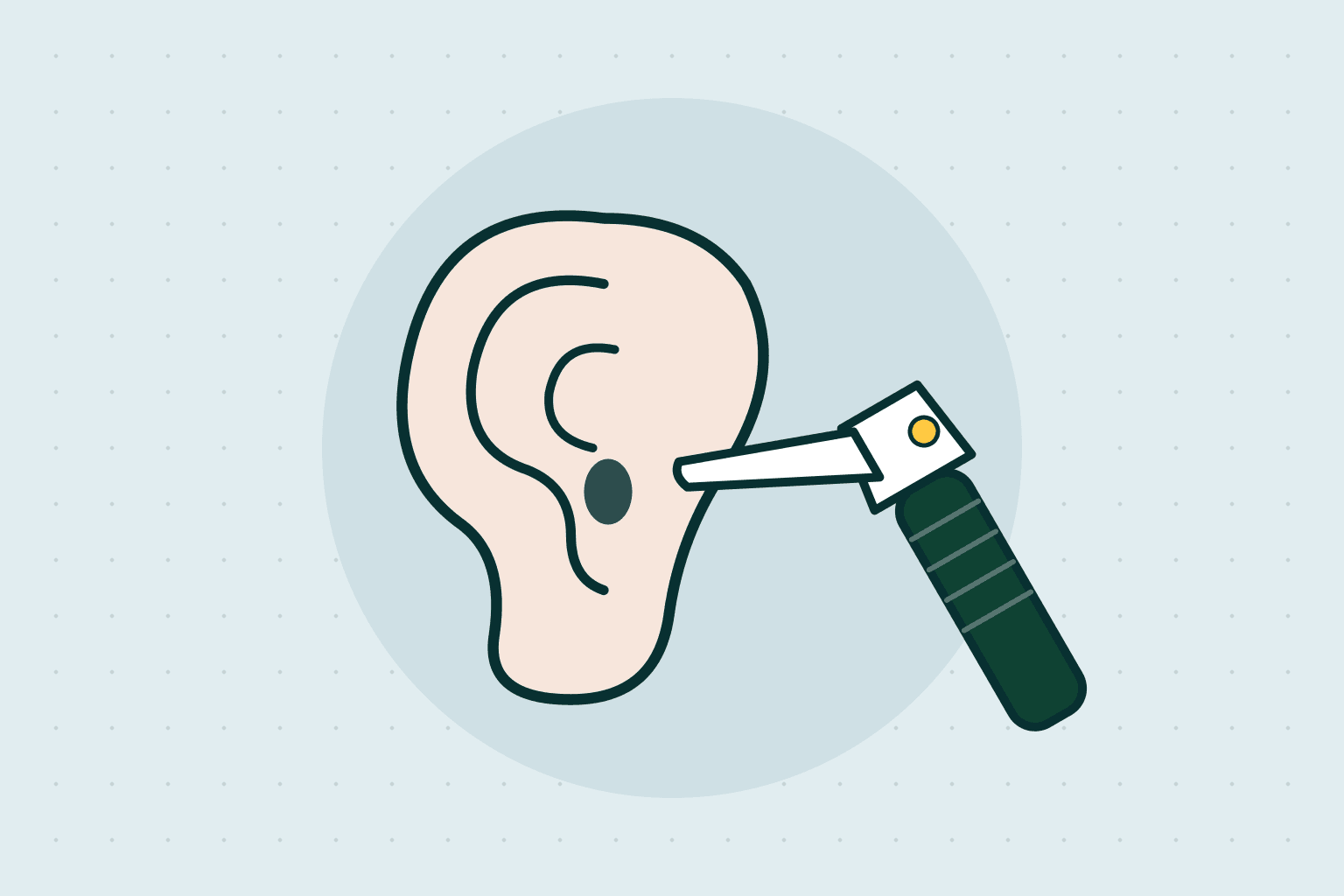
Because so many conditions can cause it, the NHS warns against diagnosing the cause yourself. A clinician looks inside the ear with a lighted instrument called an otoscope, which is how an ear infection is usually diagnosed.
What to do at home in the first hours
- Pain relief.Over-the-counter acetaminophen or ibuprofen can help, following the label. The NHS says children under 16 should not take aspirin.
- Warm cloth.A warm, clean cloth held against the ear may ease pain. Skip it if there is fluid or pus draining from the ear.
- Keep it dry.Keep water out of the ear while it hurts.
- Leave the ear alone.Do not put anything inside the ear, such as cotton swabs, and do not try to remove earwax.
- Be patient, but watch.Most earaches improve by themselves. See a clinician if the pain lasts beyond 2 to 3 days.
Do not put drops or home remedies in the ear without advice from a clinician. If the eardrum has a hole in it, some drops can do harm, and you cannot tell by yourself whether it does.
Do you need antibiotics?
Not always. The CDC says many mild middle ear infections improve without antibiotics because the immune system can often fight them off. A provider may suggest watchful waiting, which means waiting 2 to 3 days to see whether antibiotics are needed, or delayed prescribing, where a prescription is written but you wait 2 to 3 days before filling it.
The CDC says severe middle ear infections, and infections that last longer than 2 to 3 days, need antibiotics right away. A provider decides after examining the ear. Antibiotics do not work on viruses, and taking them when they are not needed carries risks of its own.
Children
Young children cannot always say that their ear hurts. Look for tugging or rubbing at the ear, crying more than usual, trouble sleeping, irritability, fever, fluid draining from the ear, balance problems or trouble hearing.
- Pain relief: for children 6 months or older, acetaminophen or ibuprofen is fine; for children younger than 6 months, only acetaminophen. Ask a provider about the right amount for your child's age and size.
- Never give aspirin to children. It can cause Reye's syndrome.
- Call a provider right away for a baby under 3 months old with a fever of 100.4 degrees F (38 degrees C) or higher.
- Ask a pediatrician about hearing and ear tubes if infections keep coming back. Children who get infections often may need small tubes placed in their ears.
- Babies around cigarette smoke have more ear infections, so keep smoke away from them.
Prevention and ear care
- Wash hands often and limit contact with sick children, since many ear infections follow colds.
- Get the yearly flu vaccine and the pneumococcal vaccine your provider recommends.
- Do not put a baby down for a nap or the night with a bottle.
- Do not clean inside the ear canal with cotton swabs or other objects.
When to see a doctor, and red flags
See a clinician if ear pain lasts more than 2 to 3 days, keeps coming back, or you or your child feel generally unwell. The NHS also lists swelling around the ear, fluid coming from the ear, hearing loss or a change in hearing, something stuck in the ear, and a very high temperature as reasons for urgent care. The CDC adds a fever of 102.2 degrees F (39 degrees C) or higher and pus or fluid from the ear, and says to see a provider for any symptom that is severe or concerning.
Red flags: call 911 for ear pain with a stiff neck and severe headache, confusion, a drooping face, or swelling behind the ear along with a high fever. Get same-day care for ear pain after a head injury or with blood coming from the ear.
Questions to ask your clinician
- Is this an ear infection, or is the pain coming from somewhere else?
- Is my eardrum intact, and is it safe to use ear drops?
- Do I need antibiotics now, or can we wait and watch?
- How should I safely deal with earwax?
- Should my hearing be checked afterwards?
- What can I do to stop infections from coming back?
Questions and answers
Can I use heat on a painful ear?
A warm cloth can ease pain when there is no fluid coming from the ear. If there is discharge, a high fever, or you suspect a hole in the eardrum, get checked instead.
How should I clean my ears if not with cotton swabs?
Avoid putting anything in the ear canal. If wax is bothering you or affecting your hearing, ask a clinician for advice on safe removal.
Does every ear infection need antibiotics?
No. Many mild cases clear up without them, and a provider may recommend waiting a couple of days. Severe infections or ones lasting beyond 2 to 3 days need antibiotics.
Why does my ear hurt when the doctor says it looks normal?
The pain may be coming from nearby, for example a tooth, the jaw or the throat. The treatment then targets that cause rather than the ear.
Is a fever with ear pain a concern?
A fever of 102.2 degrees F (39 degrees C) or higher, or a fever that comes with worsening symptoms, is a reason to see a provider. In a baby under 3 months, a fever of 100.4 degrees F (38 degrees C) needs a call straight away.
Sources
- NHS — Earache
- CDC — Ear Infection and Antibiotics
- MedlinePlus — Ear Infections
- NIDCD — Ear Infections in Children
Sources checked on 29 October 2026.