
Symptoms · · 7 min read
Heartburn: causes, relief and when to see a doctor
Heartburn is a burning feeling in the middle of the chest, often with a sour taste in the mouth, caused by stomach acid flowing back up the esophagus. It is common, and smaller meals, an earlier dinner and a raised head of the bed often help. If it happens most days, or comes with trouble swallowing, vomiting or unexplained weight loss, see your primary care provider. Chest pain with shortness of breath or pain in the jaw or arm needs emergency care.
In short
- Heartburn is a burning feeling in the middle of the chest, often worse after eating, lying down or bending over.
- Acid reflux means stomach contents flowing back into the esophagus. When it happens two or more times a week or damages the lining, it is called GERD.
- Smaller meals, finishing eating 2 to 3 hours before lying down, limiting your own triggers and raising the head of the bed help many people.
- Antacids ease short-term symptoms. If you need them most days, talk to a provider.
- Trouble swallowing, repeated vomiting, unexplained weight loss or chest pain with breathlessness are warning signs.
What heartburn and reflux are
At the bottom of the esophagus, a muscle valve called the lower esophageal sphincter normally keeps stomach contents in the stomach. When it weakens or relaxes at the wrong time, acid can flow up. Occasional reflux is very common. Gastroesophageal reflux disease (GERD) is the long-lasting form, with repeated symptoms or complications over time.
Symptoms
- A burning feeling in the chest or throat, usually the most common sign.
- A sour taste, or food or liquid coming back up into the back of the mouth.
- Symptoms worse after eating, when lying down or when bending over.
- A dry, recurring cough, hoarse voice or asthma-like symptoms, and sometimes bad breath, hiccups, bloating or feeling sick.
- Trouble swallowing.
Some people have GERD without heartburn. And chest discomfort is not always the esophagus: chest pain with shortness of breath, or pain in the jaw or arm, needs immediate medical care because it may signal a heart problem.
Causes and triggers
Often there is no clear cause. Known contributors and triggers include:
- Being overweight or having obesity.
- Smoking or secondhand smoke exposure, and alcohol.
- Pregnancy, and hormone changes.
- A hiatal hernia, a stomach ulcer or a stomach infection.
- Foods and drinks such as coffee, tomatoes, chocolate, fatty or spicy foods.
- Stress and anxiety.
- Medicines, including anti-inflammatory painkillers such as ibuprofen.
Triggers differ from person to person, so look for your own pattern rather than cutting out everything at once. Never stop a prescribed medicine on your own. Ask your provider.
What helps at home
- Eat smaller mealsSmaller, more frequent meals put less pressure on the valve.
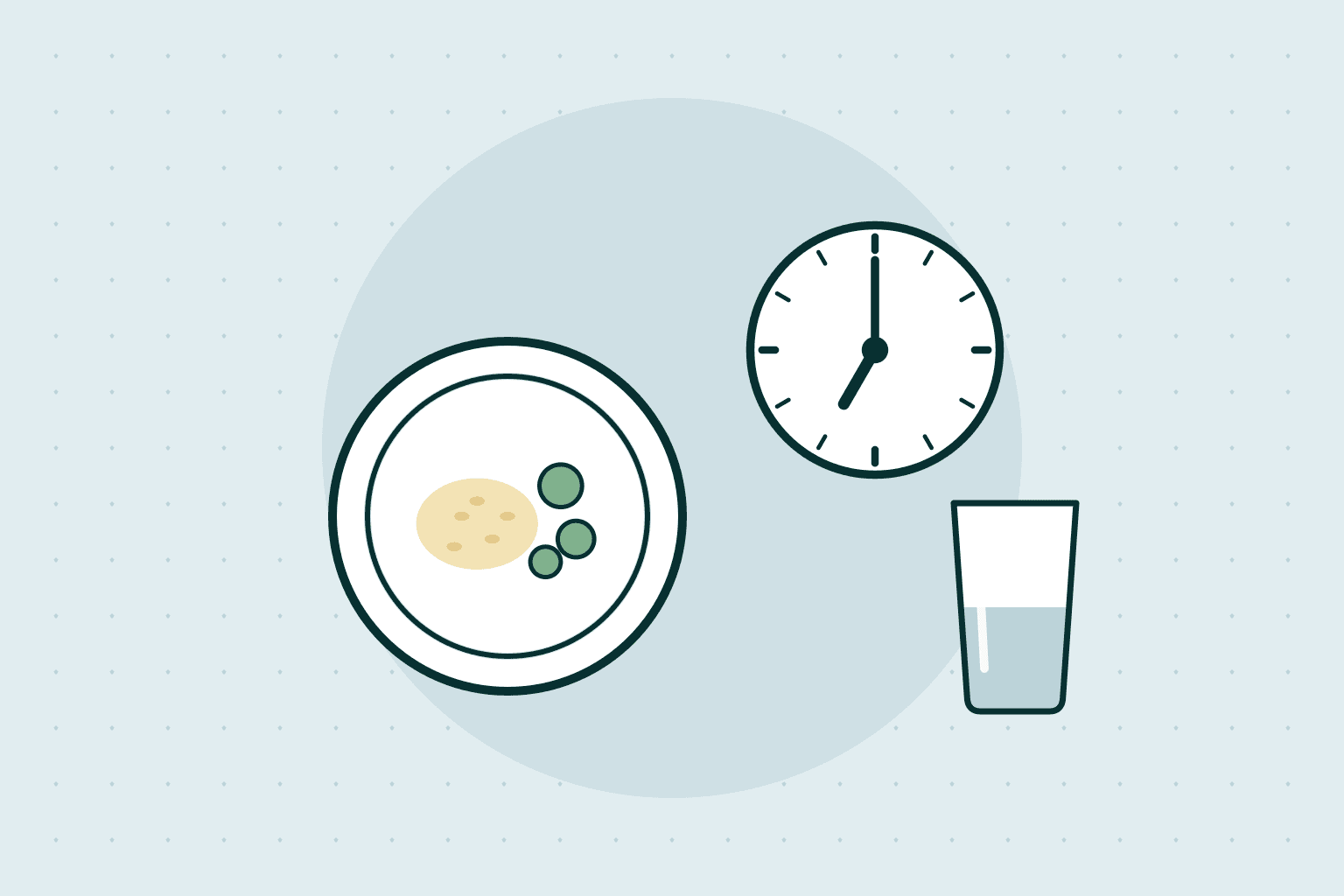
- Finish eating earlierAvoid lying down for 2 to 3 hours after eating, and do not eat within 3 to 4 hours of bedtime.
- Raise the head of the bedLift the head end of the bed by about 4 to 8 inches (10 to 20 centimeters). Extra pillows are not recommended, as they can make symptoms worse. Sleeping on your left side may also help.
- Learn your triggersLimit the foods, drinks and alcohol that bring symptoms on, rather than everything on a list.
- Look at weight, smoking and clothesLosing weight if you are overweight, stopping smoking and avoiding tight clothing around the waist all help.
- Find ways to relaxStress and anxiety can make symptoms worse.
Medicines in general terms
Over-the-counter antacids and alginate products ease short-term symptoms. They are best taken with food or soon after eating, but they do not treat the underlying problem and are not meant for regular long-term use. Check with a provider or pharmacist before regular use if you have kidney disease, high blood pressure or heart disease, follow a low-sodium diet or take other daily medicines, because antacids can affect how other medicines are absorbed.
If lifestyle changes and pharmacy products are not enough, a provider may prescribe acid-reducing medicines: proton pump inhibitors, usually for a limited course such as 4 or 8 weeks, or H2 blockers. Always take them as prescribed by a doctor. Surgery is rare and kept for cases that do not respond.
When to see a doctor, and red flags
See your primary care provider if lifestyle changes and pharmacy medicines are not helping, if heartburn occurs most days or at night, or if you need antacids on most days. Make an appointment promptly for trouble swallowing or food sticking in the throat, repeated vomiting, unexplained weight loss, or if symptoms are getting worse.
Call 911 for chest pain with shortness of breath, pain in the jaw or arm, bleeding or dark, tarry bowel movements. Untreated GERD can in time lead to inflammation or scarring of the esophagus and to Barrett's esophagus, a change in the lining, which is another reason to get persistent symptoms checked.
How a doctor confirms it
Diagnosis rests mostly on your symptoms and medical history. If symptoms do not improve with lifestyle changes and medicines, tests may follow: an upper GI endoscopy, in which a small camera examines the esophagus and stomach lining, an esophageal pH test that measures how often acid rises and how long it stays, a biopsy, X-rays, or esophageal manometry, which checks muscle movement during swallowing. If a stomach infection is suspected it can be tested and treated.
- Could one of my medicines be contributing?
- Do I need any tests?
- How long should I use an acid-reducing medicine, and what then?
- What should make me come back sooner?
Questions and answers
What is the difference between heartburn, reflux and GERD?
Heartburn is the burning feeling. Reflux is the backward flow of stomach contents that usually causes it. GERD is the long-lasting form, with symptoms two or more times a week or damage to the esophagus.
Why is heartburn worse at night?
Lying down makes it easier for acid to flow up. Finishing dinner earlier and raising the head of the bed address that.
Can I take antacids every day?
Antacids are meant for short-term relief. If you need them most days, see your provider rather than increasing use on your own.
Do I have to give up coffee and spicy food?
Not necessarily. Triggers are individual, so pay attention to which foods bring symptoms on for you and limit those.
Could my chest pain be my heart instead?
Yes, it can be. If chest discomfort comes with shortness of breath, sweating or pain in the jaw or arm, call 911 rather than assuming it is heartburn.
Sources
- NHS — Heartburn and acid reflux
- MedlinePlus — GERD
- NIDDK — Acid Reflux (GER & GERD) in Adults
- MedlinePlus — Antacids
Sources checked on 29 October 2026.