
Symptoms · · 9 min read
Swollen legs: causes, home care and warning signs
Swollen lower legs by evening are familiar to many people and often harmless. But one distinction matters a great deal: whether one leg or both are swollen. Swelling in both legs is more often linked to veins, weight, heat, medicines or a general condition, while sudden swelling in one leg can mean a blood clot, where hours count. Here is how to sort through the causes and what helps.
In short
- Edema is swelling from fluid in body tissues, usually in the feet, ankles and legs, according to MedlinePlus.
- Swelling in both legs often has everyday causes: standing or sitting for long periods, salty food, heat, pregnancy, varicose veins or certain medicines. Heart, kidney, liver and thyroid problems are also possible.
- Sudden swelling in one leg, especially with pain, warmth or redness, can mean a blood clot and needs prompt care.
- Raising your legs, walking, and staying active help many cases of ordinary swelling.
- Shortness of breath or chest pain with leg swelling is an emergency. Call 911.
Why swelling happens
Edema means fluid is held in body tissues. MedlinePlus lists eating too much salt, standing or walking a lot in warm weather, pregnancy, sunburn, heart failure, kidney disease, liver problems from cirrhosis and lymph node problems as causes. The NHS adds sitting still too long, being overweight, varicose veins and thyroid problems, and less commonly injuries, insect bites, infection and blood clots.
The pattern in the day gives clues. Swelling that builds up by the evening and eases overnight fits with long periods upright, while swelling that persists, spreads or comes with other symptoms needs a closer look.
One leg or both: the key difference
The NHS advises an urgent appointment, or a call to a medical line, when one ankle, foot or leg is swollen and you do not know why, when swelling follows an injury or is very large or getting worse, when it is severe, painful or sudden, or when the area is red or hot. The CDC lists swelling, pain or tenderness, warmth and redness, usually in one leg, as signs of deep vein thrombosis (DVT).
The CDC adds that about half of people with a DVT have no symptoms at all, and that a clot that travels to the lungs, a pulmonary embolism, can happen without leg symptoms. The NHLBI says a pulmonary embolism causes sudden chest pain and shortness of breath, and that a large clot or many clots can cause death.
Swelling in both legs usually has the broader causes listed above, though the NHS says to see a provider if it has not improved after a few days of home care or is getting worse, or if you have a heart, kidney or leg vein condition.
Medicines that can cause swelling
MedlinePlus says some medicines cause edema. The NHS names some blood pressure medicines, contraceptive pills, hormone therapy, antidepressants and steroids. If swelling began after a new medicine, tell your provider, and do not stop a prescribed medicine on your own. There are usually alternatives.
What helps at home
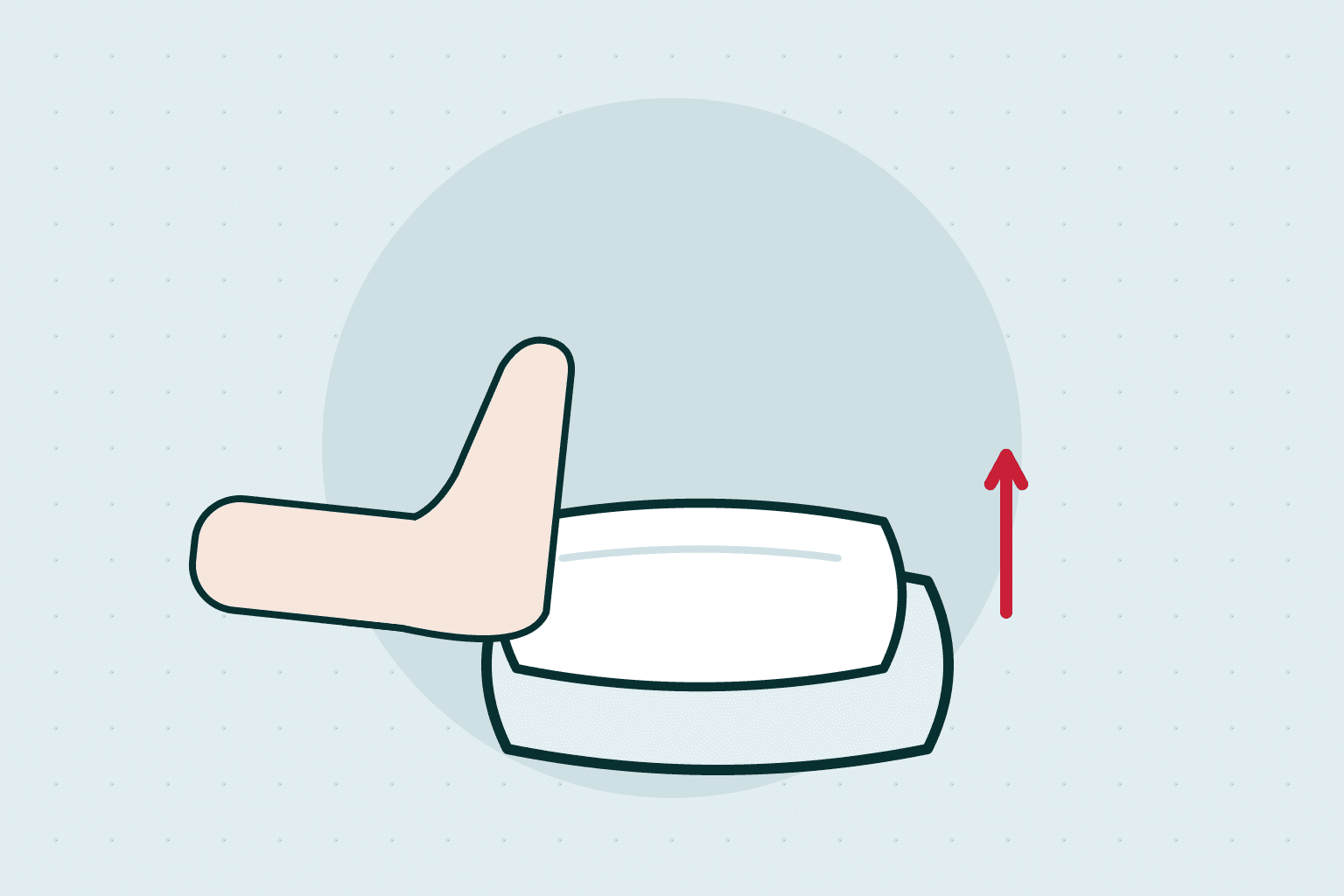
- Raise your legs on a chair or pillows when you sit or lie down, as the NHS and MedlinePlus advise.
- Do gentle exercise such as walking, to improve blood flow.
- Wear support stockings, which MedlinePlus lists as home care, and wide, comfortable shoes with a low heel and soft sole, as the NHS suggests.
- Limit the salt you eat, as MedlinePlus advises.
- Avoid standing or sitting for long periods and avoid tight clothing, socks or shoes. Wash, dry and moisturize your feet to help prevent infection.
If swelling is caused by heart or kidney disease, a provider may recommend a diuretic, also called a water pill, according to MedlinePlus. That is a prescription decision based on the cause, so do not try it on your own.
Flights, heat and long sitting
Long periods without moving slow blood flow in the legs, which the CDC lists as a risk factor for clots, and the NHLBI names long-distance travel specifically. For trips longer than four hours, the CDC suggests getting up and walking every one to two hours and wearing loose-fitting clothing. While seated, raise and lower your heels and then your toes, and tighten and release your leg muscles.
In warm weather, MedlinePlus lists a lot of standing or walking as a cause of swelling. Take breaks to put your feet up.
How a provider finds the cause
The NHLBI says a provider runs tests to find out whether a clot is present, and that clots can be harder to diagnose when there are no obvious signs. For swelling in both legs, the provider will ask about your medicines, salt intake and other conditions, and will examine you.
Depending on what they find, they may order tests for the heart, kidneys, liver and thyroid, since the NHS lists problems in each as possible causes. Do not interpret results on your own. Ask what they mean for you.
When to see a doctor and red flags
Make a routine appointment if both legs are swollen and it has not improved after a few days of home care, is getting worse, or if you have a diagnosed heart, kidney or leg vein condition. The NHS also advises prompt care if swelling affects your face or tummy, or if you have diabetes and your feet, ankles or legs swell.
Red flags: call 911 for shortness of breath, difficulty breathing, chest tightness or pain, coughing up blood, noticeable palpitations, light-headedness, fainting or confusion, as these can signal a blood clot in the lungs. The NHS says not to drive yourself.
Questions to bring:
- Could a medicine I take be causing this?
- Do I need tests for my heart, kidneys, liver or thyroid, or a leg vein check?
- Would compression stockings suit me?
- How should I travel and sit to lower my risk?
Questions and answers
Can I take a water pill for swollen legs?
Only if a provider prescribes it. MedlinePlus says providers may recommend diuretics when the cause calls for it, and using them on your own can mask a problem that needs treatment.
Should I drink less when my legs swell?
None of the sources cited here advises cutting back on fluids for ordinary leg swelling. If you have heart or kidney disease, ask your provider how much fluid is right.
How can I tell a clot from ordinary swelling?
You often cannot, which is why one-sided, painful, warm or red swelling needs prompt assessment. The CDC notes that about half of people with a DVT have no symptoms.
Do compression stockings help?
MedlinePlus lists support stockings as home care for edema. Ask your provider whether they suit you, especially if you have poor circulation or diabetes.
Why do my legs swell only in the evening?
Standing or sitting still for long periods is a common cause, according to the NHS, and raising your legs helps.
Sources
Sources checked on 29 October 2026.