
Symptoms · · 7 min read
Shortness of breath: causes and when to get help
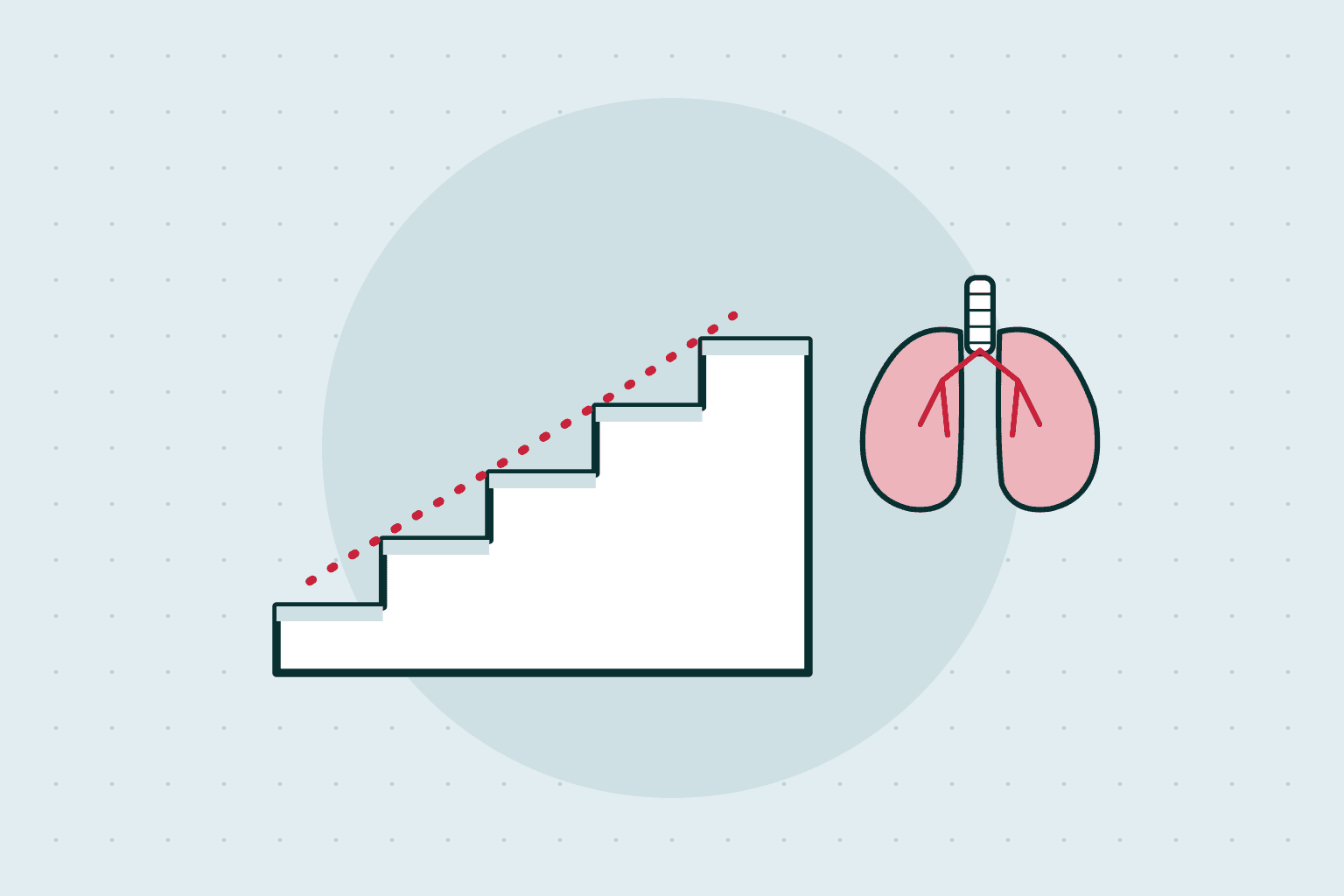
Getting out of breath on a steep staircase is normal. Breathlessness that appears with activity you used to manage, wakes you at night or stops you finishing a sentence needs an explanation. The causes range from the lungs and heart to weight, infection and anxiety, so the first step is working out which one. Sudden, severe shortness of breath, especially with chest pain, is an emergency, not an appointment.
In short
- The key question is whether you can still do what you used to do without getting out of breath.
- Breathlessness that gets worse with normal activities or when lying down always deserves an assessment.
- Common causes include asthma, chest infection, being overweight, smoking and panic attacks; more serious ones include COPD, heart failure and lung scarring.
- Being unable to get words out, or breathlessness with chest pain, blue lips or confusion, means 911.
- A doctor finds the cause with an exam, lung function tests and other tests, then treats that cause.
Normal breathlessness or a warning sign
Breathing harder during intense exercise is physiological: your body is raising ventilation to meet its oxygen needs. What should catch your attention is a change in your usual limit. If you used to climb four flights without stopping and now you pause on the second, that is a meaningful change at any age.
Also notice breathlessness at rest or when you lie down. Needing extra pillows to breathe, or waking at night short of air, are classic reasons to see a clinician. A simple check helps: if you cannot speak a normal sentence without stopping for breath, get help now.
Common and more serious causes
- Asthma.Wheezing, coughing and breathlessness that come and go, often worse at night or during exercise.
- Chest infection.Breathlessness with a cough that may bring up mucus.
- COPD.The main signs are breathlessness, chronic cough sometimes with phlegm, and fatigue. Smoking is the leading cause, and a diagnosis is confirmed with spirometry, a breathing test.
- Heart failure.The heart does not pump enough blood for the body's needs. People may feel tired and short of breath and notice fluid building up in the lower body, around the stomach or in the neck.
- Weight, smoking and lung scarring.Being overweight and smoking are common contributors, and idiopathic pulmonary fibrosis, scarring of the lungs, is a more serious cause.
- Anxiety and panic attacks.These can bring on shortness of breath, but they should be considered only after a clinician has looked for physical causes.
MedlinePlus also lists problems with the airways, pneumonia, emphysema and allergies, and notes that mild breathlessness can come from something as simple as a stuffy nose.
When anxiety is part of the picture
Anxiety and panic attacks are recognized causes of shortness of breath, and the feeling of not getting enough air is real, not imagined.
Even so, do not put breathlessness down to anxiety until a clinician has looked for heart, lung and other physical causes. That is especially important for a first episode, for breathlessness during effort, and for anyone with risk factors for heart or lung disease.
When to see a doctor
See your primary care provider if your breathlessness is getting worse with normal activities or when lying down, if you have shortness of breath with swollen ankles, or if you have had a cough for three weeks or more. Contact a clinician promptly, or use an urgent care service, for more breathlessness than usual, nausea or vomiting, coughing up blood, pain or swelling in one leg, or heart palpitations.
Red flags, call 911: severe difficulty breathing such as gasping, choking or being unable to get words out; a tight or heavy chest; pain spreading to the arms, back, neck or jaw; pale, blue or gray lips or skin; or sudden confusion. Do not drive yourself to the emergency room, and bring the medicines you take.
How to prepare for your appointment
- Describe what you can and cannot do now compared with six months and a year ago.
- Note what sets it off: cold air, dust, allergens, lying flat, emotion or exertion.
- List your medicines, your smoking history and any changes in weight.
- Mention allergies, any dust or chemicals you work with, and swelling in your legs.
- Say whether you have had a cough, wheezing or fever.
These details often decide which test your clinician orders first.
How the cause is found
MedlinePlus stresses finding out the cause of frequent breathing trouble. A clinician starts with your history and an examination, and what happens next depends on what they suspect.
- Lung function tests and spirometry, to look for asthma or COPD.
- Imaging and blood tests, which are also used to diagnose heart failure.
- Blood gas tests, scans or other lung tests when the picture is less clear.
Your clinician interprets results in the context of your health; a number from a home device on its own should not reassure you if you feel very short of breath.
Treatment depends on the cause
Shortness of breath is a symptom, so treatment targets what is behind it. Asthma and COPD are treated mainly with inhalers, with bronchodilators the mainstay in COPD, as prescribed by a doctor. Stopping smoking, avoiding air pollution and recommended vaccines are key steps in COPD.
Heart failure cannot currently be cured, but healthy lifestyle changes, medicines, devices and procedures help many people live better. Pulmonary rehabilitation can improve breathing and exercise capacity, and your provider can point you to ways of living well with breathlessness.
Questions and answers
Is it normal to get out of breath climbing stairs?
Some breathlessness on a steep climb is normal and depends on fitness. What matters is a change: if the same flight has become noticeably harder than a few months ago, ask a clinician.
Can anxiety alone cause shortness of breath?
Yes, panic attacks and anxiety can bring it on, but the conclusion should come after heart, lung and blood problems have been considered, particularly after a first episode.
Why is breathing harder when I lie down?
Breathlessness that worsens when lying flat is a reason to see a clinician. It is among the symptoms associated with heart and lung problems, so it should be assessed rather than put down to sleeping position.
Should I worry if I also have swollen ankles?
Yes, shortness of breath with swollen ankles is a reason to see a clinician. Fluid buildup is one of the signs of heart failure, so mention it at your visit.
Does smoking cause shortness of breath?
It is a common contributor and the leading cause of COPD. Quitting is one of the most useful steps if you smoke, and your provider can help you plan it.
Sources
- NHS — Shortness of breath
- MedlinePlus — Breathing Problems
- NHLBI — Heart Failure
- WHO — Chronic obstructive pulmonary disease (COPD)
Sources checked on 29 October 2026.