
Skin · · 6 min read
Hives: what they look like, causes and treatment
Hives are raised, itchy welts that come and go on the skin, and each one usually fades within 24 hours even while new ones appear elsewhere. Most episodes are short and settle on their own or with antihistamines, and often no cause is ever found. The exception is swelling of the lips, tongue or throat with trouble breathing, which is an emergency.
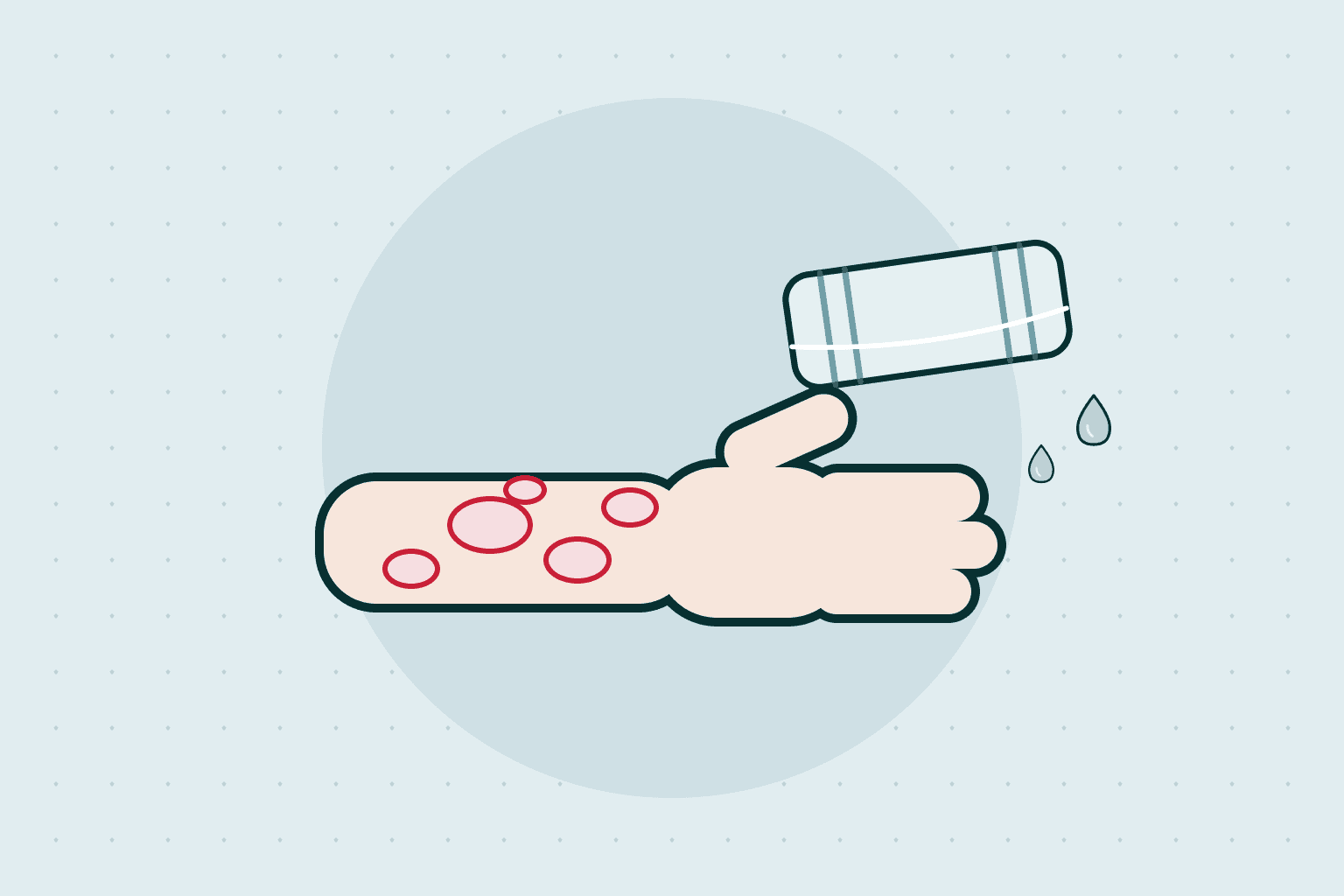
In short
- Hives are raised, itchy bumps or patches that appear suddenly. A single hive usually fades within 24 hours, but new ones can keep appearing.
- Hives lasting more than 6 weeks are called chronic. Chronic hives usually have no identifiable cause, and most resolve within a year.
- Common triggers include foods, medicines, infections, insect bites, heat, cold, pressure and stress, but in many people nothing is found.
- Antihistamines are the usual first treatment, and a provider can add other prescription medicines if they are not enough.
- Swelling of the face, lips, tongue or throat, or trouble breathing, is an emergency. Call 911.
What hives look like
Hives (urticaria) are raised, intensely itchy bumps or patches in many shapes and sizes. They can sting or burn and can appear anywhere on the body. On lighter skin they look pink or red. On darker skin they often match the skin tone and are harder to see, so feel for raised areas and look at the pattern of itching.
The giveaway is that they move. Individual welts change shape and fade within minutes or hours, and one hive usually clears within 24 hours without leaving a mark. If a spot stays in the same place for much longer, it is painful, or it leaves a bruise, that does not fit typical hives and a dermatologist should look at it.
Angioedema is related. It is swelling deeper under the skin, most often around the eyes and lips and sometimes in the hands, feet or throat. You can have hives, angioedema or both.
Acute and chronic hives
- Acute hives usually last from a few days to a few weeks. Infections, medicines, foods and insect bites are common triggers.
- Chronic hives last 6 weeks or longer. In most people with chronic hives no cause is identified, and most cases resolve within a year.
- Physical hives are set off by something you can name, such as sunlight, pressure, cold, heat, sweating, exercise or water.
- Dermatographism is hives that appear where you scratch or rub the skin.
Not finding a cause is common and does not mean your provider is doing nothing. The goal shifts from hunting for a culprit to keeping the symptoms under control.
What can set them off
- Foods such as shellfish, nuts, eggs and milk.
- Medicines, including antibiotics and NSAID pain relievers.
- Infections, from a cold to strep throat or a urinary tract infection.
- Insect bites and stings, plants, animals, chemicals or latex.
- Heat, cold, sweating, sunlight, water or exercise.
- Scratching, tight clothing and pressure on the skin.
- Emotional stress, and autoimmune conditions.
If you can pin down a trigger, avoiding it may prevent episodes. Often it is not that simple: several factors can add up, which is why a food you tolerated yesterday may seem to cause a reaction today.
What you can do at home
- Keep the skin coolA cool compress or a lukewarm shower eases itching. Avoid hot baths and showers, which can make hives worse.
- Dress looselyChoose loose, soft clothing and avoid tight straps, belts and waistbands.
- Ask about antihistaminesOver-the-counter antihistamines are commonly suggested. Tell the pharmacist about any long-term conditions, and check before giving them to young children.
- Check your medicine cabinetIf you suspect a medicine, including a pain reliever, ask your provider before taking it again.
- Keep a simple diaryNote the date, time, body area and what happened beforehand, and photograph the rash. It will often have faded by the time you see a provider.
- Do not scratchScratching can trigger more hives and can break the skin.
Treatment options
Mild hives often clear up on their own. Antihistamines are the usual first medicines, and a provider may also suggest a soothing cream. If hives do not clear, you may be referred to a dermatologist or allergist.
Chronic hives may need other prescription medicines. Steroid tablets are sometimes used for severe flare-ups. Epinephrine is used for severe reactions with throat swelling, and people who have had serious reactions may be advised to carry an auto-injector. Do not start or change any of these without your provider.
How a doctor confirms it
A provider can usually diagnose hives by examining the skin and asking about your history. Skin biopsies or blood tests are sometimes used, but allergy testing is usually not useful for hives. Asking for a broad allergy panel may not help and can lead to avoiding foods you do not need to avoid.
Bring photos of the rash, your diary and a full list of medicines and supplements, including pain relievers.
Red flags: when to call 911
Red flags: call 911 now if hives come with swelling of the lips, mouth, tongue, face or throat, a tight throat, trouble swallowing or breathing, wheezing, a weak pulse, dizziness, fainting, or blue or pale skin. These can be signs of anaphylaxis, a serious allergic reaction that can develop quickly. If an epinephrine auto-injector has been prescribed for you, give the injection immediately and still call 911.
Abdominal cramps with vomiting alongside a rash can also be part of a serious allergic reaction. Do not wait to see whether it passes.
When to see a provider
- Symptoms do not improve after about 2 days, or the rash keeps spreading or returning.
- Hives last longer than 6 weeks.
- You have a high temperature and feel unwell.
- You have swelling under the skin that may be angioedema, but no trouble breathing.
- Hives are disturbing your sleep or work.
- You are worried about a child.
Questions to ask: Is this hives or another skin problem? Which medicines are safe for me? Should I carry an epinephrine auto-injector? How long do chronic hives usually last?
Questions and answers
How long does one hive last?
Usually less than 24 hours, and often only minutes to hours, and it fades without a mark. A welt that stays put, hurts or leaves a bruise should be examined.
Do I need allergy testing?
Usually not. Allergy testing is generally not useful for hives, and a long list of positive results can push you into unnecessary restrictions. Your provider decides whether any testing fits your story.
Will chronic hives go away?
In most people they do, often within a year, though there is no way to say exactly when. Treatment aims to keep the itching from disrupting sleep and daily life in the meantime.
What should I do about a swollen lip?
If only the lip is swollen and breathing and swallowing are normal, contact a provider the same day. If the tongue or throat is involved, your voice changes or you feel short of breath, call 911 instead.
Can stress cause hives?
Emotional stress is listed among possible triggers. It rarely acts alone, so a diary of what happened before each flare can reveal a combination of factors.
Sources
- NHS — Hives
- MedlinePlus — Hives
- MedlinePlus — Hives (encyclopedia)
- MedlinePlus — Angioedema
- MedlinePlus — Anaphylaxis
- American Academy of Dermatology — Hives: overview
Sources checked on 29 October 2026.