
Skin · · 8 min read
Shingles: early signs, treatment and the vaccine
Shingles is caused by the chickenpox virus, which stays in your body after you recover and can reactivate years later. It usually begins with burning, tingling or shooting pain on one side of the body, followed by a stripe of blisters. Antiviral medicine works best when it is started as early as possible, within 3 days of the rash appearing, so do not wait to see what happens. A two-dose vaccine can prevent most cases and their complications.
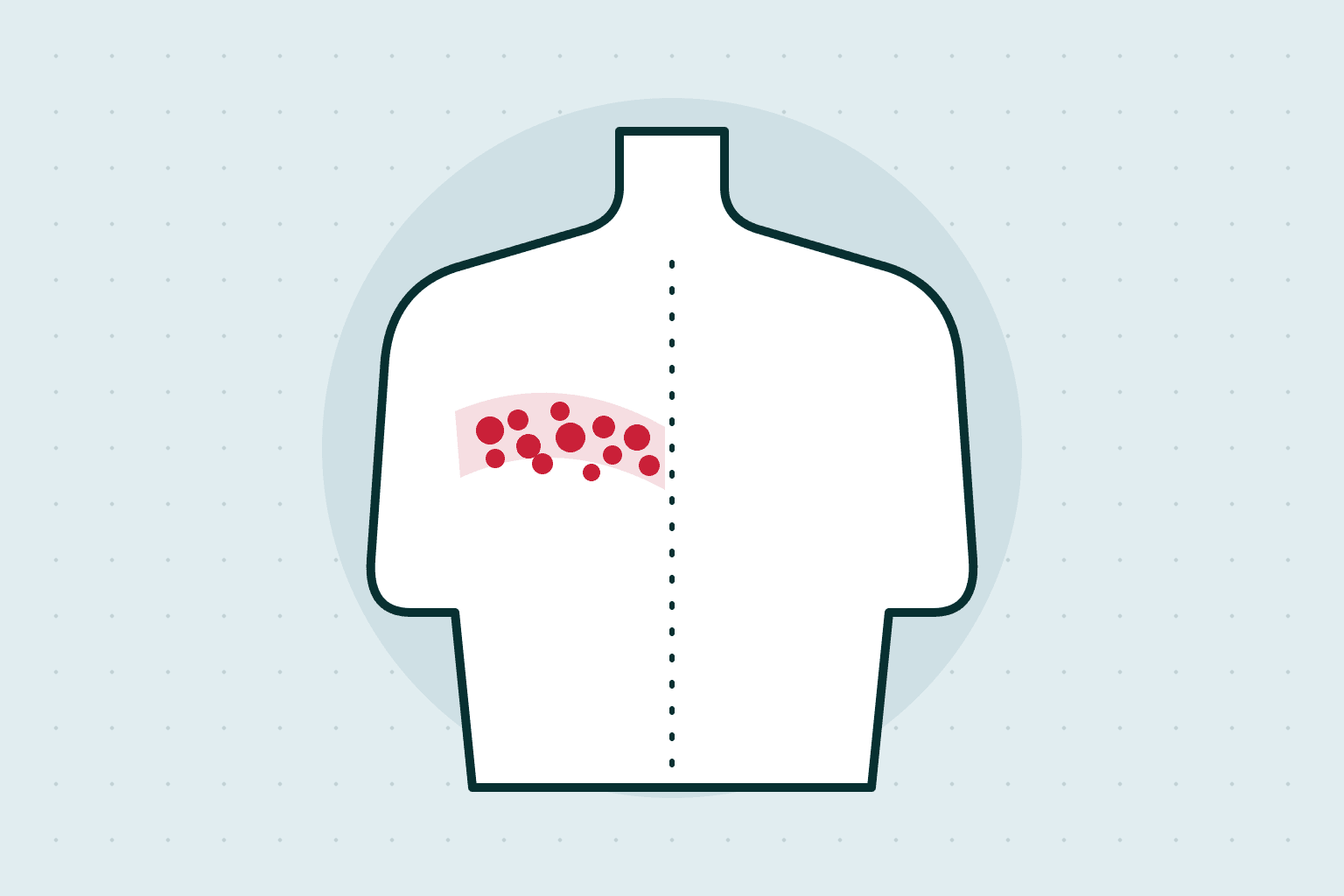
In short
- Shingles is caused by the varicella-zoster virus, the same virus that causes chickenpox. It stays dormant in your body and can reactivate later in life.
- Typical pattern: burning, tingling or shooting pain on one side of the body or face, then a single stripe of blisters on that same side.
- Antiviral medicine can make the illness shorter and less severe, and it works best when started as soon as the rash appears, ideally within 3 days.
- A rash on the face, and especially near an eye, needs prompt medical attention because vision loss can follow.
- You cannot catch shingles from someone else, but a person who has never had chickenpox or the vaccine can catch chickenpox from the blister fluid.
What shingles is and how common it is
After chickenpox clears, the virus does not leave. It settles into nerve tissue and stays quiet, sometimes for decades. If it reactivates, it travels along a nerve to the skin and causes pain and a rash in the area that nerve supplies.
The CDC says about 1 in every 3 people in the United States will have shingles at some point in their lives. Anyone who has had chickenpox can get it, and the chance goes up as you get older.
Symptoms: what it feels and looks like
- Pain first.Burning, shooting pain, tingling or itching shows up on one side of the body or face. This can happen before any rash is visible, which is why shingles is easy to miss in the first days.
- Then the rash.A red rash with fluid-filled blisters appears, usually as a single stripe around the left or the right side of the body. It is often painful, itchy or tingly.
- Then crusting.The blisters scab over. The rash can take up to 4 weeks to heal, and skin pain can last for weeks after the rash has gone.
The best clue is that it stays on one side. A rash that covers the left and right sides of the body equally is unlikely to be shingles.
Causes and risk factors
The cause is always the chickenpox virus waking up again. You are more likely to get shingles as you age. A weakened immune system, for example from certain medicines or illnesses, also raises the risk. Health agencies list age and immune strength as the main factors, not anything you did wrong.
Treatment and what to do at home
Antiviral medicines can make shingles shorter and less severe. The NHS notes they work best if you start within 3 days of the rash appearing, so book an appointment as soon as you suspect it rather than waiting for the weekend. Your clinician decides who needs them and which one to use.
- Pain relief: over-the-counter pain relievers can help, and a clinician can prescribe other medicines for stronger nerve pain.
- Cool compress: hold a wet cloth or a cold pack wrapped in cloth on the rash a few times a day.
- Clothing: wear loose clothes and avoid rough fabrics against the rash.
- Hygiene: keep the rash clean and dry to lower the chance of a bacterial infection.
- Dressings: do not let a sticky bandage or plaster stick to the blisters. If you need to cover the rash, use a non-stick dressing.
Your clinician decides whether antiviral medicine is right for you. Starting it early matters more than waiting to see how the rash develops.
Complications
The most common complication is postherpetic neuralgia, or PHN: severe nerve pain in the area where the rash was, which can last long after the skin heals. Other complications can include:
- Eye problems, including temporary or permanent vision loss when shingles affects the eye.
- Ramsay Hunt syndrome, which involves the facial nerve near the ear.
- Bacterial infection of the skin.
Starting treatment early is one of the main ways to lower the chance of complications.
Is shingles contagious?
You cannot get shingles from another person. The risk is chickenpox: someone who has never had chickenpox or the chickenpox vaccine can catch it from contact with shingles blister fluid. According to the CDC, a person with shingles cannot spread the virus before the blisters appear or after the rash has scabbed over.
Until the blisters crust, cover the rash, wash your hands often and avoid pregnant people who have not had chickenpox, babies under a month old and people with a weakened immune system. The NHS also advises staying away from work or school while the rash is oozing and cannot be covered.
The shingles vaccine
The CDC recommends the recombinant zoster vaccine, Shingrix, given as two doses 2 to 6 months apart. It is recommended for adults 50 and older and for adults 19 and older who have a weakened immune system. If a shorter schedule is needed because of a weakened immune system, the second dose can be given 1 to 2 months after the first.
The vaccine protects against shingles and against postherpetic neuralgia, the most common complication. It is recommended even if you have already had shingles. Ask your primary care provider or pharmacist whether you are due.
When to see a doctor, and red flags
See a clinician as soon as you suspect shingles, ideally within the first 3 days of the rash. Do not delay if the rash is on your face or near an eye, if your vision changes, or if you are pregnant or have a weakened immune system.
Red flags: call 911 for a high fever with severe headache, stiff neck or confusion, or if one side of the face suddenly becomes weak. Get urgent care the same day for eye pain or redness, hearing loss or earache with a rash, a rash that spreads across the body, or skin around the rash that becomes hot, swollen or starts to leak pus.
How a clinician confirms it
Most of the time a clinician recognizes shingles from the pattern of pain and the one-sided stripe of blisters, so a physical exam is usually the main step. If the rash is near an eye or on the face, expect the clinician to examine those areas closely and to refer you urgently when needed.
Questions and answers
Can I catch shingles from someone who has it?
No. What you can catch is chickenpox, and only if you have never had it or been vaccinated against it. Contact with the open blisters is what spreads the virus.
Can shingles come back?
Yes. The NHS says you can get shingles more than once, which is one reason the vaccine is still advised after an episode.
How long does shingles last?
The rash can take up to 4 weeks to heal. Pain can continue for weeks after that, and for some people it lasts much longer as postherpetic neuralgia.
Should I get the vaccine if I have already had shingles?
According to the CDC, yes: adults 50 and older should get both doses even if they have had shingles before. Ask a clinician about timing.
Should I stay home from work with shingles?
If the rash is oozing and you cannot cover it, stay home until it dries out. If the rash can be fully covered and you do not work around people who are at higher risk, ask your clinician what is right for you.
Sources
Sources checked on 29 October 2026.