
Nutrition · · 7 min read
How to lose weight safely without crash diets
Most people who lose weight fast with a strict diet struggle to keep it off. Health agencies recommend a gradual, steady pace of about 1 to 2 pounds a week, and a first goal of 5% to 10% of your starting weight over about 6 months, which can already improve blood pressure, cholesterol and blood sugar. What lasts is a mix of healthy eating, regular activity, enough sleep and support, adjusted with your primary care provider when needed.
In short
- A modest loss of 5% to 10% of your starting weight is a sensible first goal, and even a smaller loss can improve blood pressure, cholesterol and blood sugar.
- A gradual pace of about 1 to 2 pounds a week is more likely to be kept off than a fast one.
- Healthy eating, regular activity, enough sleep and stress management work together. No single one carries the whole result.
- Choose changes you can keep for years. Be wary of programs that promise very fast results.
- Medicines, surgery and medical causes of weight gain are matters for your provider.
Why crash diets let people down
Weight is affected by far more than willpower: medicines, medical conditions, stress, genes, hormones, environment and age all play a part. The WHO describes obesity as a chronic disease that arises from complex interactions between environmental, social, biological and behavioral factors, and recommends managing it with long-term, person-centered care rather than quick fixes.
The CDC notes that people who lose weight at a gradual, steady pace are more likely to keep it off than those who lose it faster. An example it gives of an unrealistic goal is losing 20 pounds in 2 weeks, which tends to lead to frustration.
Setting a realistic goal
- Aim at health, not a numberNIDDK suggests an initial goal of 5% to 10% of your starting weight within 6 months. For a 200-pound person, 5% is 10 pounds.
- Keep the pace gradualAbout 1 to 2 pounds a week is the pace the CDC associates with better long-term results.
- Work on two or three habits at a timeA specific goal such as walking 15 minutes, 3 days a week, is easier to keep than a vague plan to exercise more.
- Expect setbacksThey are normal. Get back on track as soon as you can and think about how to prevent a repeat.
- Plan for maintenanceKeeping weight off is a skill of its own. Good programs include continued support, regular weigh-ins and ongoing activity after the loss.
Eating without a strict diet
Start by writing down everything you eat and drink for a few days. It shows where small changes would make the biggest difference.
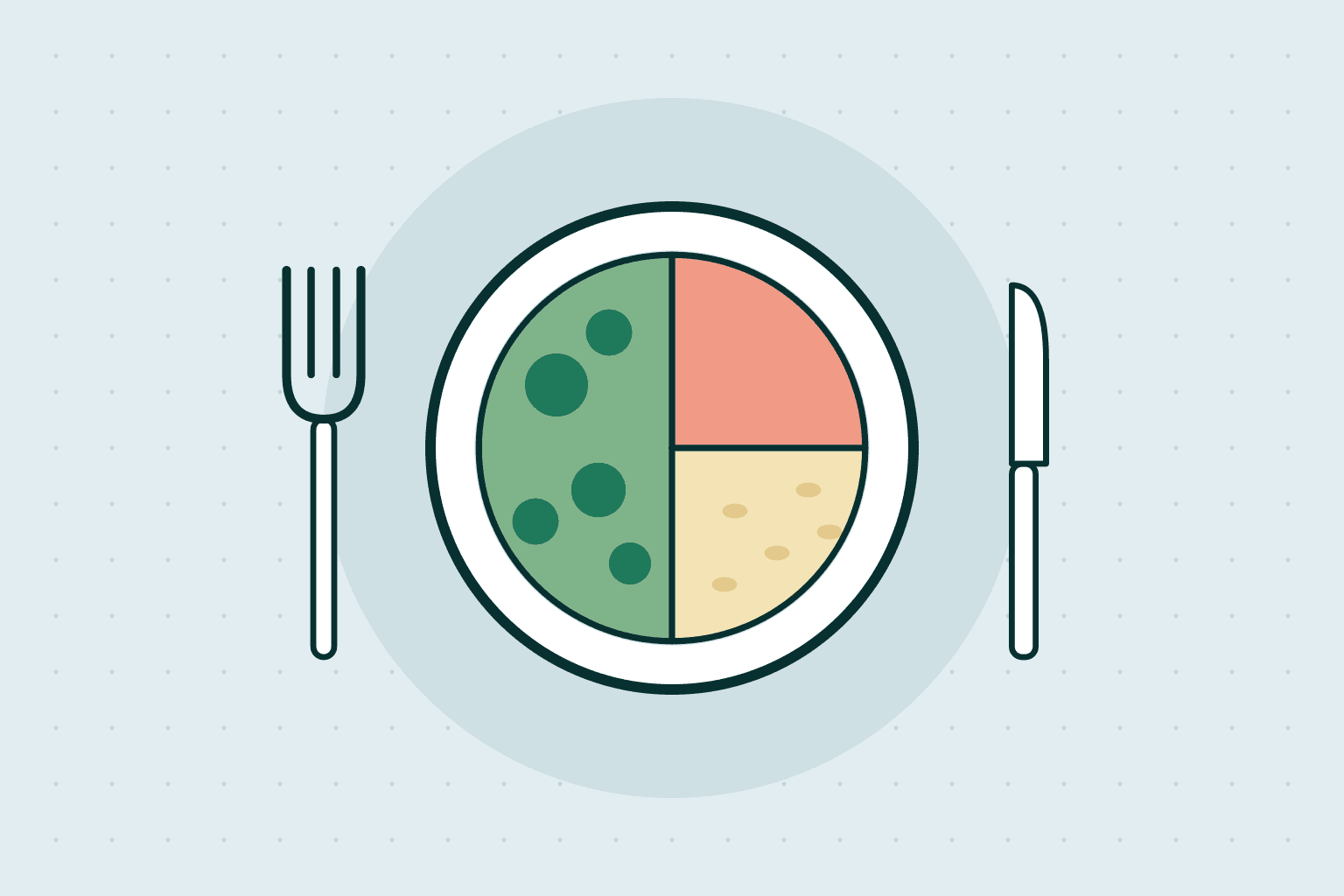
- Build meals around vegetables, fruit, legumes, whole grains and nuts, as the WHO recommends.
- Limit sugar-sweetened drinks and energy-dense foods that offer few nutrients.
- Keep fruit and vegetables easy to reach, plan meals ahead and bring healthier snacks when you are out.
- Pick an eating plan that is science-based and fits your health, culture and tastes, so you can stick with it.
Activity that fits your life
Typical programs build toward at least 150 minutes a week of moderate aerobic activity, and maintenance programs often aim for 150 to 300 minutes or more. Choose things you enjoy, such as walking, swimming, tennis or a group class, because the one you keep doing beats the perfect one you drop. Build up gradually and check with your provider first if you have a heart condition, joint problems or have been inactive for a long time.
Sleep, stress and slip-ups
The CDC lists enough sleep and stress management as part of lasting weight management. A simple start is to turn off electronic devices at least 30 minutes before bedtime. The WHO also advises limiting sedentary and screen time.
If food becomes your main way of coping with stress, look for alternatives you can slot in, such as a short walk or a call to a friend. And if you notice a loss of control around eating, tell your provider rather than tightening the rules.
When to see a doctor, and red flags
Bring up your weight with your primary care provider. They may check your BMI, ask about eating and activity, and review your medical conditions and medicines, since some medicines affect weight. The WHO defines overweight in adults as a BMI of 25 or more and obesity as a BMI of 30 or more. Ask whether a registered dietitian or structured program would suit you.
Call 911 for chest pain, fainting, severe shortness of breath or sudden confusion at any point, including during exercise. Be suspicious of programs that promise weight loss without diet or exercise, or losing 30 pounds in 30 days: NIDDK lists these as red flags for fad diets and scams.
Medical treatment options, in general terms
Lifestyle changes are the usual first step, often with counseling support over several months. When they are not enough, providers may prescribe weight-loss medicines, which are meant to be used together with healthy eating and activity, always as prescribed by a doctor. Metabolic and bariatric surgery is another option for some adults, with a BMI of 35 or higher being the usual threshold, and some groups also recommend it at a lower BMI when there is a serious weight-related condition such as type 2 diabetes or sleep apnea.
Questions for your provider: Is my weight affecting my health? Could any of my medicines be involved? What pace is safe with my conditions? Would a dietitian or a structured program help? Are medicines or surgery worth discussing?
Questions and answers
How much weight can I safely lose in a week?
Roughly 1 to 2 pounds, according to the CDC. Faster loss is harder to keep and more likely to bring frustration and regain.
Do I have to count calories?
Not necessarily. Tracking for a few days can reveal portions and habits, and some programs use daily tracking, but many people succeed with planning meals, cutting sugary drinks and eating more plants.
Is a small loss really worth it?
Yes. The CDC points out that even modest weight loss can improve blood pressure, cholesterol and blood sugar.
How do I spot a fad diet or scam?
Watch for promises of results without diet or exercise, losing weight in one body area, tiny print, hidden costs and testimonials that seem too good to be true. Ask whether the program has been formally studied.
When are weight-loss medicines or surgery considered?
When lifestyle changes alone have not been enough, and only after assessment by a provider. Healthy eating and activity are still recommended alongside them.
Sources
- CDC — Losing Weight
- NIDDK — Choosing a Safe & Successful Weight-Loss Program
- NIDDK — Treatment for Overweight & Obesity in Adults
- WHO — Obesity and overweight
Sources checked on 29 October 2026.