
Skin · · 8 min read
Chickenpox: symptoms, treatment and how long it lasts
Chickenpox is a highly contagious illness caused by the varicella-zoster virus. It brings an itchy rash that moves from spots to fluid-filled blisters to scabs, and in most children it clears up on its own. It can be serious for newborns, pregnant people, teens, adults and anyone with a weakened immune system. Knowing what to give for fever, what to avoid and when to call a clinician makes the difference.
In short
- The rash comes in stages: small spots, fluid-filled blisters, then scabs, with new spots appearing over several days.
- You can spread chickenpox from 1 to 2 days before the rash starts until every blister has crusted over.
- For pain and fever, the NHS suggests paracetamol (acetaminophen in the US). Avoid ibuprofen unless a doctor advises it, and never give aspirin to children under 16.
- Newborns, pregnant people, teens, adults and people with weakened immunity can get seriously ill and need a clinician early.
- Two doses of the vaccine prevent almost all severe disease.
What chickenpox is
Chickenpox is caused by the varicella-zoster virus. It spreads mainly through close contact with someone who has it, by being in the same room or by touching fluid from the blisters. The CDC says up to 90 percent of non-immune close contacts become infected. Spots usually appear 10 to 21 days after exposure.
The virus stays dormant in the body after the illness and can switch on years later as shingles. A person with shingles can pass the virus to someone who has never had chickenpox or the vaccine, but the reverse does not happen.
Symptoms and the three stages of the rash
Some people have a high temperature, aches, loss of appetite and a general unwell feeling around the time the rash starts.
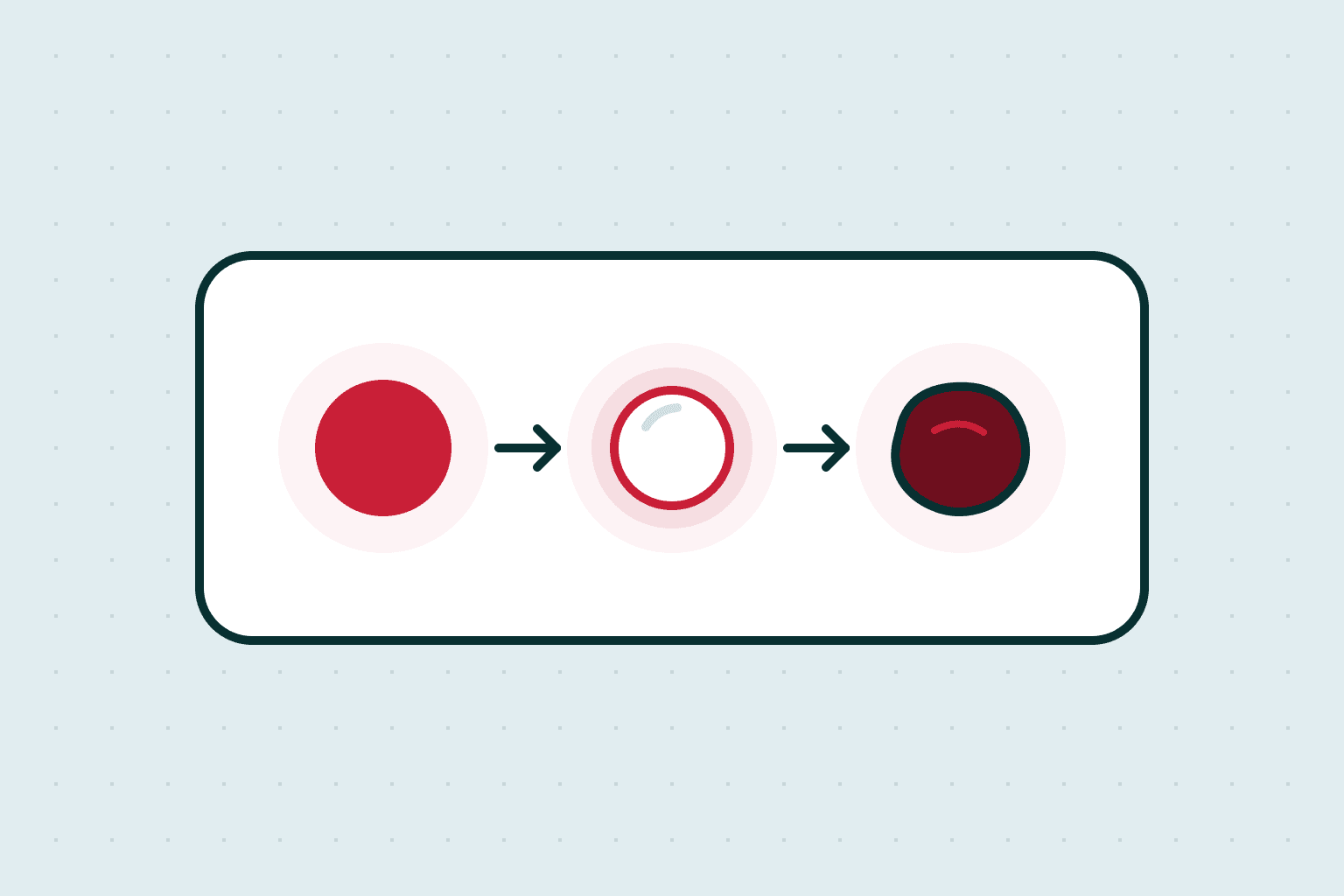
- Spots.Small red spots appear, often starting on the chest, back and face, and can show up anywhere, including the mouth and genitals.
- Blisters.The spots turn into fluid-filled blisters that itch intensely.
- Scabs.The blisters dry out and become scabs, which usually takes about a week.
New spots keep coming while older ones are scabbing, so spots, blisters and scabs are all on the skin at once. Some people get up to 500 blisters. Illness usually lasts 4 to 7 days, and chickenpox generally gets better on its own within 1 to 2 weeks.
How long you are contagious
You can pass chickenpox on from 1 to 2 days before the rash appears until all the spots have crusted over, which is usually about 5 days after they first showed up. Scabbed spots are no longer a risk.
Stay home from school, child care or work until every spot has a scab. Children usually miss 5 to 6 days. Keep away from newborns, pregnant people and anyone with a weakened immune system while you are contagious.
Home care for itching and fever
- Drink plenty of fluids. Ice pops can help a child who will not drink.
- Use paracetamol (known as acetaminophen in the US) for pain and fever, following the label for age and weight.
- Do not use ibuprofen unless a doctor tells you to, because it may be linked to serious skin infections.
- Do not give aspirin to children under 16.
- Take a cool bath and pat the skin dry. Cooling gels and creams help, and a pharmacist can suggest an antihistamine for itching.
- Dress in loose clothing, keep a child's nails short and put socks over their hands at night.
- Try not to scratch, because it can leave scars.
Adults, pregnancy and other higher-risk groups
The CDC says chickenpox can be serious, even life-threatening, especially in pregnancy, in babies, in teens, in adults and in people with weakened immune systems. The most common complications are bacterial skin infections in children and pneumonia in adults.
Antiviral medicine is recommended for people more likely to become seriously ill. The NHS says it must be started within 24 hours of the spots appearing, so a clinician should hear about the illness on the first day. If you are pregnant or immunocompromised and were near someone with chickenpox, or if a newborn was, call your clinician right away, without waiting for symptoms.
When to see a doctor, and red flags
Call a clinician if you are not sure it is chickenpox, if you are breastfeeding and have symptoms, or if the person is a newborn, pregnant, an adult or has a weak immune system. Phone ahead and say you think it may be chickenpox, so the office can keep other patients safe.
Get urgent medical advice if redness, heat or pain spreads around the blisters, if a child shows signs of dehydration such as fewer wet diapers, or if breathing becomes harder than usual. Call 911 for severe trouble breathing, confusion or a child who is hard to wake.
How it is confirmed
Chickenpox is usually recognized from the look of the rash. When a diagnosis needs to be certain, a PCR test is the most helpful lab test. A clinician decides whether you need one, and routine blood tests to check immunity after two vaccine doses are not recommended.
The vaccine and what happens after exposure
- Children get two doses: the first at 12 to 15 months and the second at 4 to 6 years.
- Anyone 13 or older who has never had chickenpox or the vaccine should get two doses at least 28 days apart.
- Two doses are about 90 percent effective at preventing chickenpox and prevent almost all severe illness. Cases in the US have fallen by more than 97 percent since the program began.
- Side effects are usually mild: a sore, red or swollen arm, fever or a mild rash.
The vaccine is not recommended for people who are or may be pregnant, who have HIV or another immune system disease, who take immune-suppressing drugs for 2 weeks or more, or who have cancer or are having treatment for it. Ask your clinician. After an exposure, the vaccine may prevent illness or make it milder, and a clinician may prescribe medicine to reduce severity for exposed people who cannot be vaccinated.
Questions and answers
Is there a medicine for chickenpox?
Most healthy children manage with home care alone. Antivirals are kept for people at higher risk of severe illness, and a clinician decides who qualifies.
Can a child with chickenpox take a bath?
Yes. A cool bath can calm the itch. Pat the skin dry afterward instead of rubbing.
Do chickenpox scabs leave scars?
Scratching is what the NHS links to scarring, so short nails and cooling creams help.
Is chickenpox dangerous in pregnancy?
It can be, because a pregnant person without immunity is at risk for severe illness. If you are pregnant and were near someone with chickenpox, tell your clinician at once.
Can a vaccinated person still get chickenpox?
Occasionally. The vaccine prevents almost all severe illness, and a vaccinated person whose lesions do not crust stays contagious until no new lesions have appeared for 24 hours.
Sources
- NHS — Chickenpox
- CDC — About Chickenpox
- CDC — Chickenpox Vaccination
- CDC — Clinical Overview of Varicella
Sources checked on 29 October 2026.